
Looking for the Best Career Portal in India? Here’s Why Candidates Pick Hire You Soon Portal First
 Fathima Syed
September 1, 2026

 Fathima Syed
 May 5, 2026
 8 mins to read
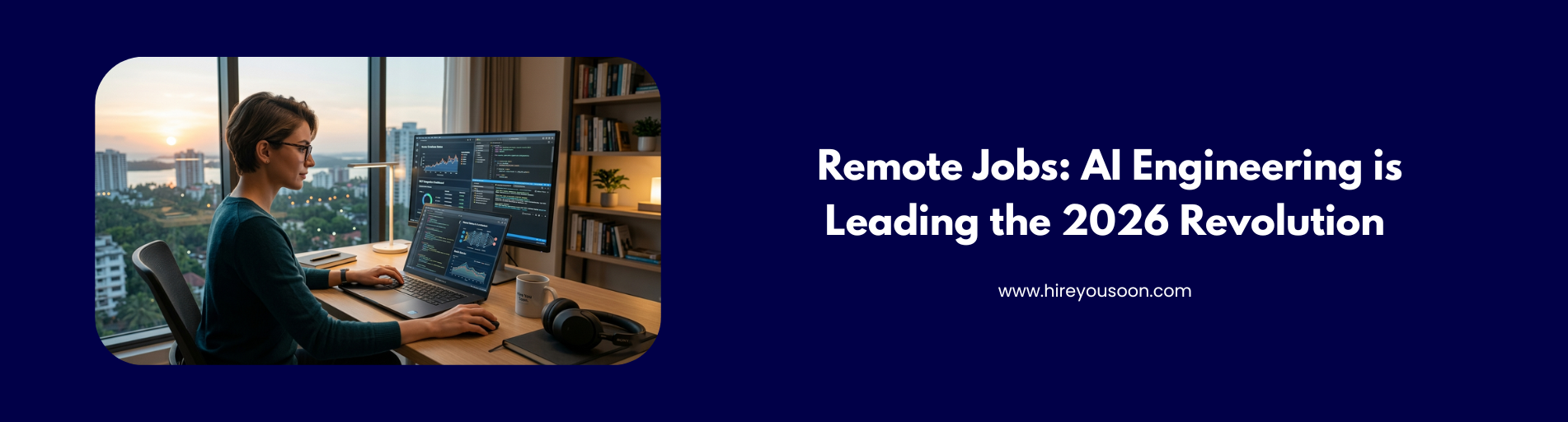
In 2026, finding remote jobs that offer both high compensation and long-term stability means looking toward the “AI-First” revolution. While the initial wave of digital transformation allowed people to work from home, the current era of ai engineering has elevated the stakes, making specialized artificial intelligence roles the most sought-after positions in the world.
For the modern working nomad, the dream of a borderless career is no longer tied to basic web development or digital marketing. Today, the most resilient careers are built on the backbone of neural networks and agentic systems. As companies move away from traditional office hubs, they are funneling their massive budgets into distributed teams that can build, scale, and maintain intelligent infrastructures.
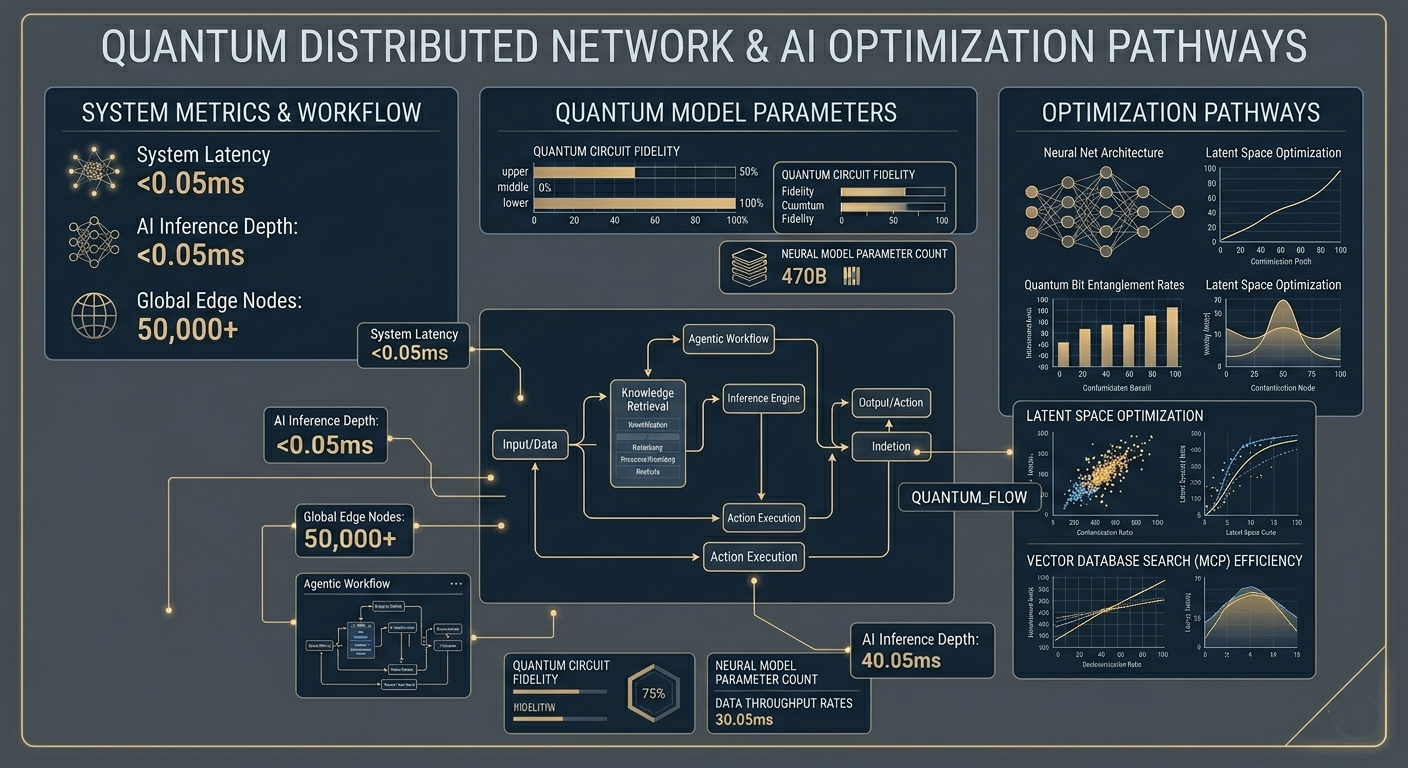
The dominance of ai engineering in the remote sector isn’t an accident. Unlike hardware-centric roles that require physical presence in a lab, software-driven AI development is perfectly suited for a distributed model. A developer in Berlin can design complex neural networks for a startup in San Francisco without losing a second of productivity. This “cloud-native” nature of the work has turned remote jobs into the primary recruitment vehicle for the world’s most innovative firms.
Companies are realizing that the talent required to build production-ready AI is scarce. By offering remote jobs , they can tap into a global brain trust rather than limiting themselves to a 30-mile radius of a physical office. This has led to a landscape where the “office” is wherever a high-speed internet connection and a powerful GPU cloud instance exist.
In 2026, the focus has shifted from simple chatbots to agentic AI—systems that can reason and execute tasks autonomously. This transition has created a vacuum for experts who understand how to move beyond basic API calls. The demand for ai engineering expertise in these areas has made these roles the most lucrative remote jobs on the market. Navigating this shift effectively often requires a deeper look into a Guide for Remote & Office Jobs for a better understanding of how these roles are evolving.
These positions often come with “salary premiums” that far outpace traditional software engineering, often by 20% or more.
The lifestyle of a working nomad has evolved. It’s no longer just about answering emails from a beach in Bali; it’s about managing high-stakes deployments of systems that power global enterprises. Because AI infrastructure is increasingly hosted on decentralized cloud platforms, the location of the engineer has become irrelevant.
For many, remote jobs in the AI space provide the ultimate freedom. You can contribute to cutting-edge research or enterprise-level automation while maintaining a lifestyle that prioritizes flexibility. This freedom, however, comes with the responsibility of staying at the absolute forefront of a field that changes every week.
One of the biggest draws of remote jobs in the current economy is the ability to earn a “global” salary while living in a “local” cost-of-living area. A senior engineer specializing in the field can command a San Francisco-level salary while living in a smaller tech hub or a rural retreat. This economic arbitrage is the primary driver for the modern professional who wants to maximize both their wealth and their quality of life.
To land the best remote jobs, you need more than just a passing familiarity with Python. The industry now demands a deep understanding of how to operationalize models. This includes:
As the barriers between “data scientist” and “software engineer” continue to blur, the role of the expert has become the bridge that connects theoretical models to real-world applications. This bridge is almost always built through remote jobs, as the collaborative tools for code review and model monitoring have become more sophisticated than any in-person meeting could ever be.
The trend is clear: distributed work is not just a perk; it is the foundation of the AI economy. As we look toward the end of the decade, the integration of AI into every facet of business will only increase the demand for distributed experts. The ability to work on complex systems from anywhere in the world will remain the ultimate competitive advantage for both employers and employees.
For the professional, the path forward is paved with continuous learning. The tools we use today may be absolete by next year, but the fundamental logic of building intelligent systems remains constant. If you are looking to future-proof your career, securing a strategic position in the AI sector is the most logical move you can make. Read more about future of remote work trends
The intersection of remote work and artificial intelligence has created a new era of professional liberty. By specializing in the field, you aren’t just getting a job; you are claiming your stake in the future of the global economy. Whether you are a seasoned developer or an aspiring engineer, the message is the same: the most exciting opportunities are being written in code, powered by data, and executed from wherever you choose to call home.
Your stake in the global economy starts with a single line of code. Refine your digital footprint, perfect your technical portfolio, and register at Hire You Soon to connect with the world’s most innovative remote teams.
Applying for remote roles as a beginner requires a different strategy than traditional office jobs because you must prove you can work independently.
While many firms have moved to hybrid models, several “remote-first” or flexible companies consistently hire in India:
Finding “fresher-friendly” remote roles requires using the right filters and keywords:
The following platforms are highly effective for the 2026 recruitment landscape:
Beyond coding, employers today look for “AI-Augmented” fluency. This means you should be comfortable using AI tools to streamline your workflow and have strong Cross-Cultural Communication skills. Since you won’t be in an office, demonstrating Accountability and Active Problem Solving through your past projects is essential to convince a recruiter that you can handle the autonomy of a remote role.
I am Fathima Syed, and I’ve spent over a decade decoding the logic behind the search bar to help stories find their audience. My journey began with a simple curiosity about why some voices dominate the digital landscape while others remain virtually invisible. By blending technical precision with creative narrative, I transform complex algorithms into actionable strategies for growth. I believe that true SEO isn't about "gaming the system," but about being the most helpful answer to a user’s question. My writing serves as a bridge between the mechanical requirements of search engines and the emotional needs of human readers. Today, I continue to explore how emerging technologies can be harnessed to ensure that meaningful content never gets lost in the noise.
 Fathima Syed
 Fathima Syed
 Fathima SyedFathima Syed
 Fathima Syed
 Fathima Syed
 Fathima Syed
 Fathima Syed
 Fathima Syed